Category: public

  • Casino Floor Layouts


    Casino floor layouts organize gaming equipment and the routes between it. The arrangement must also accommodate staff movement, maintenance access, seating, and connections to other public facilities within the building or wider entertainment complex.

    Different activities need different amounts of space. A table with standing spectators has a different circulation pattern from a row of seated machine users. Changes to one section can therefore affect movement in several nearby areas.

    Changes within one department can affect several others. Moving an entrance, altering an event schedule, or temporarily closing a service point may change visitor routes and staff workloads elsewhere. Communicating these changes in advance makes it easier for different teams to provide consistent information and adjust their own preparations.

    Operational records support continuity between shifts and departments. A clear description of a task or an unresolved issue allows the next person to continue the work without reconstructing the entire situation. The value of such records depends on relevant details, consistent terminology, and a clear indication of who is responsible for follow-up.

    The most informative assessment considers the entire journey through the property. A comfortable room can still be difficult to use if it is poorly signposted, and a clear entrance can lead to confusing internal routes. Looking at these connections gives a fuller picture than judging individual features entirely in isolation.

    A floor plan is a practical system whose performance depends on how the whole space is used over time. Considering the visitor journey together with the work performed behind the scenes gives a more complete understanding of the subject than an assessment based entirely on appearance or on a single moment of use.

  • Casino Reception Areas


    Casino reception areas are points where arriving visitors obtain information and begin using a property. A reception desk may serve a hotel, an event venue, or a dedicated service area, with different responsibilities depending on its location.

    Staff need sufficient space to handle questions while keeping lines from blocking entrances and walkways. Clear signs can distinguish accommodation check-in from general information, reducing unnecessary movement between desks that provide different services.

    The experience of a space can change with the time of day and the number of people present. An arrangement that feels spacious during a quiet afternoon may need more active management before an evening event. Observing ordinary patterns of use provides useful information about where additional signs, assistance, or room may be needed.

    Information should be presented in a form that suits its audience. Visitors usually need a concise explanation of where to go or what is available, while staff may require more detailed instructions. Keeping these purposes distinct helps avoid crowded signs and makes internal procedures easier to maintain when arrangements change.

    Temporary conditions can reveal details that are less noticeable during routine operation. A busy performance, a maintenance closure, or a change in weather may alter how people use the building. Reviewing these situations helps teams prepare practical alternatives and keep their explanations consistent when the normal arrangement is unavailable.

    The reception area establishes an early impression through a combination of clear organization, suitable space, and attentive communication. Looking at the subject in this broader context helps explain why apparently small decisions can matter to several departments and why practical arrangements deserve attention alongside the more visible features of a venue.

  • Casino Architecture


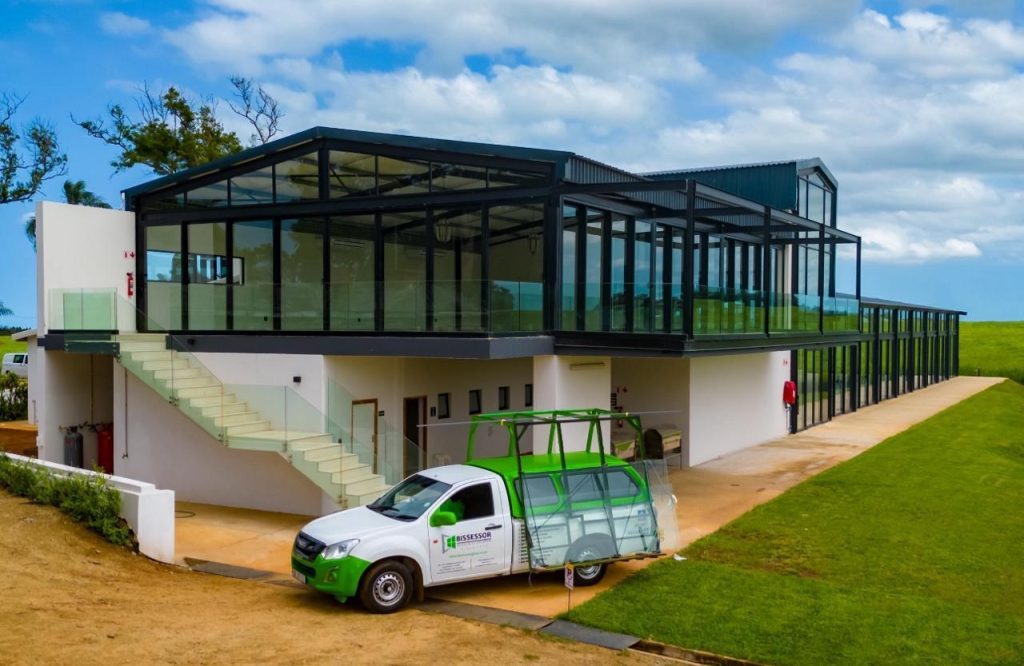
    Casino architecture combines entertainment spaces with the practical requirements of a busy public building. A venue may contain gaming rooms, restaurants, lounges, and performance areas, each serving a different purpose within a connected floor plan.

    Architects consider sight lines, entrances, ceiling heights, and the movement of visitors between activities. The appearance of a building can suggest a particular historical period or create an entirely contemporary identity through materials and lighting.

    Within a larger property, this subject connects to services that visitors may not immediately notice. Staff schedules, delivery routes, storage areas, and cleaning routines all influence how a public space operates. Coordination between these activities helps the visible part of the venue remain consistent during both quiet hours and periods of heavier use.

    Routine observation is an important part of managing this environment. Staff can note recurring questions, worn surfaces, difficult routes, or delays that are not obvious from a drawing. These observations provide a practical starting point for small improvements and help distinguish a temporary inconvenience from an issue that appears repeatedly.

    There is no single arrangement that suits every destination. The age of the building, available floor area, surrounding transport, and mix of facilities all influence the choices available. A city property and a spacious resort may address similar needs through different layouts, even when they offer broadly comparable services to their visitors.

    A successful layout supports both the recognizable character of the property and the ordinary tasks involved in running it. Its role becomes clearer when viewed alongside the rest of the building, including the routes, services, and staff activities that connect the individual area with the wider experience of visiting an entertainment property.

  • Poker Rooms


    Poker rooms are dedicated areas where card games take place at a group of tables. They may operate as separate rooms or as clearly identified sections within a larger casino, with their own seating and service arrangements.

    A room needs a way to organize available tables and communicate with people waiting for a place. Scheduled events can require additional planning for registration, breaks, and the movement of participants between tables.

    The experience of a space can change with the time of day and the number of people present. An arrangement that feels spacious during a quiet afternoon may need more active management before an evening event. Observing ordinary patterns of use provides useful information about where additional signs, assistance, or room may be needed.

    Information should be presented in a form that suits its audience. Visitors usually need a concise explanation of where to go or what is available, while staff may require more detailed instructions. Keeping these purposes distinct helps avoid crowded signs and makes internal procedures easier to maintain when arrangements change.

    There is no single arrangement that suits every destination. The age of the building, available floor area, surrounding transport, and mix of facilities all influence the choices available. A city property and a spacious resort may address similar needs through different layouts, even when they offer broadly comparable services to their visitors.

    The room functions as a distinct operational environment, combining shared card equipment with organized seating and clear communication. Looking at the subject in this broader context helps explain why apparently small decisions can matter to several departments and why practical arrangements deserve attention alongside the more visible features of a venue.

  • Casino Architecture


    Casino architecture combines entertainment spaces with the practical requirements of a busy public building. A venue may contain gaming rooms, restaurants, lounges, and performance areas, each serving a different purpose within a connected floor plan.

    Architects consider sight lines, entrances, ceiling heights, and the movement of visitors between activities. The appearance of a building can suggest a particular historical period or create an entirely contemporary identity through materials and lighting.

    Within a larger property, this subject connects to services that visitors may not immediately notice. Staff schedules, delivery routes, storage areas, and cleaning routines all influence how a public space operates. Coordination between these activities helps the visible part of the venue remain consistent during both quiet hours and periods of heavier use.

    Routine observation is an important part of managing this environment. Staff can note recurring questions, worn surfaces, difficult routes, or delays that are not obvious from a drawing. These observations provide a practical starting point for small improvements and help distinguish a temporary inconvenience from an issue that appears repeatedly.

    There is no single arrangement that suits every destination. The age of the building, available floor area, surrounding transport, and mix of facilities all influence the choices available. A city property and a spacious resort may address similar needs through different layouts, even when they offer broadly comparable services to their visitors.

    A successful layout supports both the recognizable character of the property and the ordinary tasks involved in running it. Its role becomes clearer when viewed alongside the rest of the building, including the routes, services, and staff activities that connect the individual area with the wider experience of visiting an entertainment property.

  • Casino Memorabilia


    Casino memorabilia consists of objects associated with particular properties, events, or periods of entertainment history. Printed programs, postcards, promotional items, and retired decorative pieces can provide a tangible connection to the places where they originated.

    The meaning of an object often depends on information about its date, use, and source. Careful descriptions distinguish documented details from uncertain associations, especially when similar designs were used by several venues over time.

    Changes within one department can affect several others. Moving an entrance, altering an event schedule, or temporarily closing a service point may change visitor routes and staff workloads elsewhere. Communicating these changes in advance makes it easier for different teams to provide consistent information and adjust their own preparations.

    The size of a property influences how responsibilities are divided. A smaller venue may use a compact team across several functions, while a larger complex can support specialized departments. In either case, visitors encounter the combined result, so communication between the people delivering different services remains an important practical concern.

    Consistency does not mean that every area must have an identical character. A property can contain quiet rooms, active public spaces, and formal service settings while using the same underlying approach to directions and communication. This combination allows variety without requiring visitors to learn a completely new system at every doorway.

    A collection is more informative when the stories attached to its objects can be understood alongside their physical appearance. Considering the visitor journey together with the work performed behind the scenes gives a more complete understanding of the subject than an assessment based entirely on appearance or on a single moment of use.

  • Casino Reception Areas


    Casino reception areas are points where arriving visitors obtain information and begin using a property. A reception desk may serve a hotel, an event venue, or a dedicated service area, with different responsibilities depending on its location.

    Staff need sufficient space to handle questions while keeping lines from blocking entrances and walkways. Clear signs can distinguish accommodation check-in from general information, reducing unnecessary movement between desks that provide different services.

    The experience of a space can change with the time of day and the number of people present. An arrangement that feels spacious during a quiet afternoon may need more active management before an evening event. Observing ordinary patterns of use provides useful information about where additional signs, assistance, or room may be needed.

    Information should be presented in a form that suits its audience. Visitors usually need a concise explanation of where to go or what is available, while staff may require more detailed instructions. Keeping these purposes distinct helps avoid crowded signs and makes internal procedures easier to maintain when arrangements change.

    Temporary conditions can reveal details that are less noticeable during routine operation. A busy performance, a maintenance closure, or a change in weather may alter how people use the building. Reviewing these situations helps teams prepare practical alternatives and keep their explanations consistent when the normal arrangement is unavailable.

    The reception area establishes an early impression through a combination of clear organization, suitable space, and attentive communication. Looking at the subject in this broader context helps explain why apparently small decisions can matter to several departments and why practical arrangements deserve attention alongside the more visible features of a venue.

  • Chicken Road 2 payment methods: ensuring safe and speedy withdrawals for players


    When engaging in online casinos, understanding the various payment methods available is crucial for ensuring a safe and efficient gaming experience. Players must navigate through different deposit and withdrawal options that not only affect their gameplay but also the security of their funds. This article will delve into the significant aspects of casino payment methods, focusing on how players can securely handle their transactions while enjoying arcade-style games like https://chickenroad2-in.org/ with confidence and ease.

    What to Check Before Starting with Casino Payment Methods

    Before diving into online casino gaming, it is essential to understand the payment methods that platforms offer. Different casinos provide various options for deposits and withdrawals, and players need to consider factors like transaction speed, fees, and security. Key payment methods commonly available include credit and debit cards, e-wallets, and cryptocurrency options. Each method has its unique attributes that cater to different player preferences and requirements.

    It is also important to check the minimum and maximum limits associated with each payment method, as this can impact how much players can deposit or withdraw at a time. By being informed about these details, players can make strategic decisions that enhance their gaming experience, particularly when playing games with high volatility, such as Chicken Road 2.

    How to Choose the Right Payment Method for Your Casino Experience

    Selecting the appropriate payment method can significantly influence your online gaming experience. Here’s a straightforward process to guide you:

    1. Research Payment Options: Familiarize yourself with the different payment options offered by the casino.
    2. Evaluate Security Features: Ensure the selected method has robust security features to protect your financial data.
    3. Check Transaction Fees: Verify if there are any fees associated with deposits and withdrawals that might affect your bankroll.
    4. Consider Withdrawal Speed: Prefer methods that facilitate faster withdrawals, allowing you to access your winnings quickly.
    5. Review Limits: Understand the minimum and maximum limits on your selected payment method to avoid inconveniences.
    • Researching options can help you find the best fit for your needs.
    • Security features keep your data and funds safe from unauthorized use.
    • Knowing transaction fees allows for better budget management.

    Practical Details for Casino Payment Methods

    In the realm of online casinos, several payment methods are designed to meet diverse player needs. Traditional options like credit and debit cards remain popular due to their familiarity and reliability. These methods typically offer instant deposits, allowing players to start gaming without delay. E-wallets, such as PayPal and Skrill, have gained popularity due to their added layer of security and faster withdrawal times. On the other hand, cryptocurrencies are emerging as a modern method, providing anonymity and faster transactional processes.

    For a game like Chicken Road 2, where players can engage in high-stakes gameplay with a maximum bet of $200 per round, it’s crucial to choose a payment method that supports their betting style. Additionally, knowing the game’s return to player (RTP) percentage of 95.50% can help players gauge their potential returns when making deposits. Below are some practical features to consider when selecting a payment method:

    • Instant deposits allow players to start enjoying their favorite games immediately.
    • Faster withdrawal processes help players access their winnings without unnecessary delays.
    • Multiple currency support can benefit international players looking to transact smoothly.

    These features greatly enhance the overall player experience and can directly impact the enjoyment of high-risk arcade-style games.

    Key Benefits of Popular Payment Methods

    The choice of payment method comes with various benefits that can significantly enhance your experience at an online casino. Understanding these benefits helps players make informed choices, ensuring a smooth gaming experience.

    • Speed: Many digital wallets and cryptocurrencies facilitate almost instantaneous transactions.
    • Security: Most reputable payment methods offer advanced security protocols to protect users against fraud.
    • Convenience: Players can manage their funds easily through secured apps or websites, which enhances the overall experience.
    • Wider Access: Certain methods might be available globally, allowing players to connect and transact effortlessly.

    By prioritizing these benefits, players can select payment methods that not only suit their needs but also align with their gaming preferences and habits.

    Trust and Security in Casino Transactions

    Trust and security are paramount in the online gaming environment, especially concerning financial transactions. Most reputable casinos employ advanced encryption technologies to protect players’ sensitive information while facilitating deposits and withdrawals. Players should choose casinos that are licensed and regulated by respected authorities, ensuring that their transactions are not only safe but also compliant with industry standards.

    Additionally, it is wise to utilize payment methods with a strong reputation for security, such as e-wallets and cryptocurrencies. These options often include features like two-factor authentication, which adds an extra layer of protection against potential breaches. By prioritizing security, players can focus more on enjoying games like Chicken Road 2, knowing their funds are secure.

    Why Choose the Right Payment Method Matters

    Choosing the right payment method in online casinos impacts not only security and convenience but also enhances your overall gaming experience. As players engage with high-risk games like Chicken Road 2, where the maximum win can reach astonishing multipliers, it becomes vital to have reliable payment options that allow for easy fund management.

    By selecting secure and efficient payment methods, players can ensure they enjoy their gaming experience without worrying about financial hiccups. As online casinos continue to evolve, staying informed about the available payment methods is key to maximizing both enjoyment and safety in the exciting world of online gambling.
  • Casino Visitor Experience


    Casino visitor experience describes the combined effect of the services and spaces encountered during a visit. Arrival, directions, dining, entertainment, seating, and departure all contribute, even when a person uses only a small part of the property.

    Individual departments influence one another because a delay or unclear instruction in one area can affect the next activity. Feedback is therefore more useful when it identifies the part of the journey involved rather than only giving an overall impression.

    Changes within one department can affect several others. Moving an entrance, altering an event schedule, or temporarily closing a service point may change visitor routes and staff workloads elsewhere. Communicating these changes in advance makes it easier for different teams to provide consistent information and adjust their own preparations.

    Information should be presented in a form that suits its audience. Visitors usually need a concise explanation of where to go or what is available, while staff may require more detailed instructions. Keeping these purposes distinct helps avoid crowded signs and makes internal procedures easier to maintain when arrangements change.

    Consistency does not mean that every area must have an identical character. A property can contain quiet rooms, active public spaces, and formal service settings while using the same underlying approach to directions and communication. This combination allows variety without requiring visitors to learn a completely new system at every doorway.

    Understanding the experience means examining how ordinary details connect across the whole visit, from the first entrance to the final departure. Considering the visitor journey together with the work performed behind the scenes gives a more complete understanding of the subject than an assessment based entirely on appearance or on a single moment of use.